
Please see more curated items that we picked from Amazon here .

Starting Seeds for Basil and Mint in February


Basil and mint are two of the most popular and versatile herbs that can elevate any dish with their fresh flavors and aromatic scents. Basil, often referred to as the "king of herbs," is a staple in Mediterranean cuisine and is perfect for pesto, salads, and pasta. Mint, on the other hand, is a refreshing herb used in a variety of dishes, from desserts to savory meals, and is a key ingredient in beverages like mojitos and teas. Both herbs are easy to grow, making them ideal for beginner gardeners and experienced green thumbs alike.
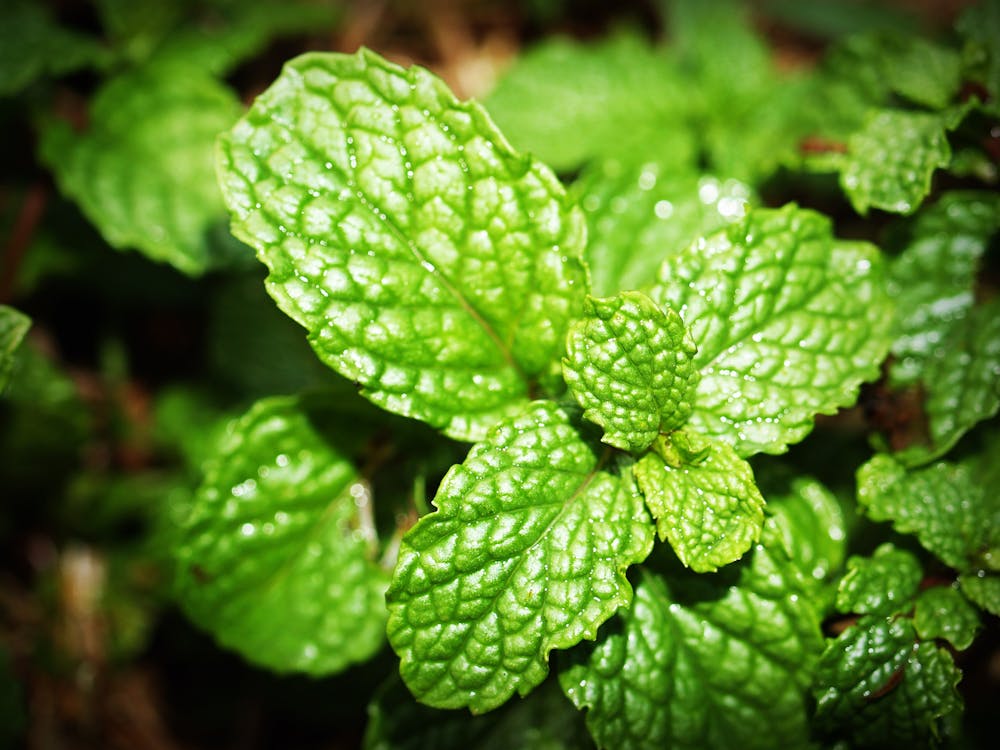

    Basil and mint are two of the most popular and versatile herbs that can elevate any dish with their fresh flavors and aromatic scents. Basil, often referred to as the "king of herbs," is a staple in Mediterranean cuisine and is perfect for pesto, salads, and pasta. Mint, on the other hand, is a refreshing herb used in a variety of dishes, from desserts to savory meals, and is a key ingredient in beverages like mojitos and teas. Both herbs are easy to grow, making them ideal for beginner gardeners and experienced green thumbs alike.

Steps to Start Seeds:

  1. Prepare the Containers: Fill your containers with the seed-starting mix.

  2. Plant the Seeds: Sow the seeds thinly on the surface of the soil. Cover them lightly with a thin layer of soil.

  3. Water Gently: Use a spray bottle to mist the soil, keeping it moist until the seeds germinate.

  4. Provide Light: Place the containers in a sunny spot or under grow lights for 12-16 hours a day.

  5. Maintain Moisture: Keep the soil consistently moist but not waterlogged. Use a plastic cover to retain moisture if needed.

  6. Watch for Germination: Seeds should sprout in 7-14 days. Once they do, remove the plastic cover.


Transplanting:

  • When to Transplant: Once the seedlings have grown to about 2-3 inches tall and have developed true leaves, they are ready to be transplanted.

  • Choose the Right Location: Basil and mint prefer a sunny spot with well-draining soil. In the DFW area, ensure they get at least 6 hours of sunlight daily.

  • Planting Options: You can plant them in garden beds, containers, or even in corners of your garden. If planting in containers, make sure they are at least 12 inches deep to accommodate the roots.

Soil Type:

  • Soil Requirements: Basil and mint prefer light, well-draining soil. Mix compost into your garden soil to improve drainage and fertility.

Care Tips:

  • Watering: Keep the soil evenly moist, especially during dry spells.

  • Fertilizing: Use a balanced, organic fertilizer every 4-6 weeks.

  • Pruning: Regularly pinch off the tips of the plants to encourage bushier growth and prevent flowering.

Starting your basil and mint seeds in February will give you a head start on the growing season, ensuring you have fresh herbs all summer long. Happy gardening!

Popular posts from this blog

When to Start Tomato Seeds Early for a Bountiful Harvest in DFW Area

Timing is everything when it comes to growing tomatoes. Starting seeds early can give your plants a head start and lead to a more productive harvest.  When to Start Tomato Seeds: In the DFW area, the ideal time to start tomato seeds indoors is late January to early February . This timing allows the seedlings to grow strong enough to be transplanted outdoors after the last frost, which typically occurs around late March to early April. Starting seeds early ensures that your tomato plants have a long growing season to mature and produce a bountiful harvest. Steps to Start Tomato Seeds: Choose the Right Variety: Select tomato varieties that are well-suited to the DFW climate. Popular choices include 'Celebrity', 'Better Boy', and 'Cherry Tomatoes'. Prepare Seed Starting Mix: Use a high-quality seed starting mix to provide the necessary nutrients for germination. Avoid garden soil, which may contain pathogens. Plant the Seeds: Sow the tomato seeds about 1/4 inch de...

Spring is Around the Corner: What and When to Plant in the DFW Area

When it comes to gardening in the Dallas-Fort Worth (DFW) area, timing is everything. The region's hot summers and mild winters offer a unique growing season. Here's a guide to help you get started: Edibles Spring: Vegetables: Start seeds indoors for tomatoes, peppers, and eggplants in January. Transplant seedlings outdoors after the last frost in late February to early March. Herbs: Plant basil, parsley, and cilantro seeds indoors in February, and transplant them outdoors in March. Root Vegetables: Direct sow carrots, beets, and radishes in early March. Summer: Vegetables: Plant beans, cucumbers, and squash in late April to early May. Fruits: Plant watermelon and cantaloupe seeds in late April. Vegetables: Start seeds indoors for broccoli, cauliflower, and cabbage in late summer. Transplant seedlings outdoors in late August to early September. Root Vegetables: Direct sow carrots, beets, and turnips in late August. Ornamental Plants Spring: ...