Please see more curated items that we picked from Amazon here .

Spring is Around the Corner: What and When to Plant in the DFW Area

When it comes to gardening in the Dallas-Fort Worth (DFW) area, timing is everything. The region's hot summers and mild winters offer a unique growing season. Here's a guide to help you get started:

Edibles

Spring:

  • Vegetables: Start seeds indoors for tomatoes, peppers, and eggplants in January. Transplant seedlings outdoors after the last frost in late February to early March.
  • Herbs: Plant basil, parsley, and cilantro seeds indoors in February, and transplant them outdoors in March.
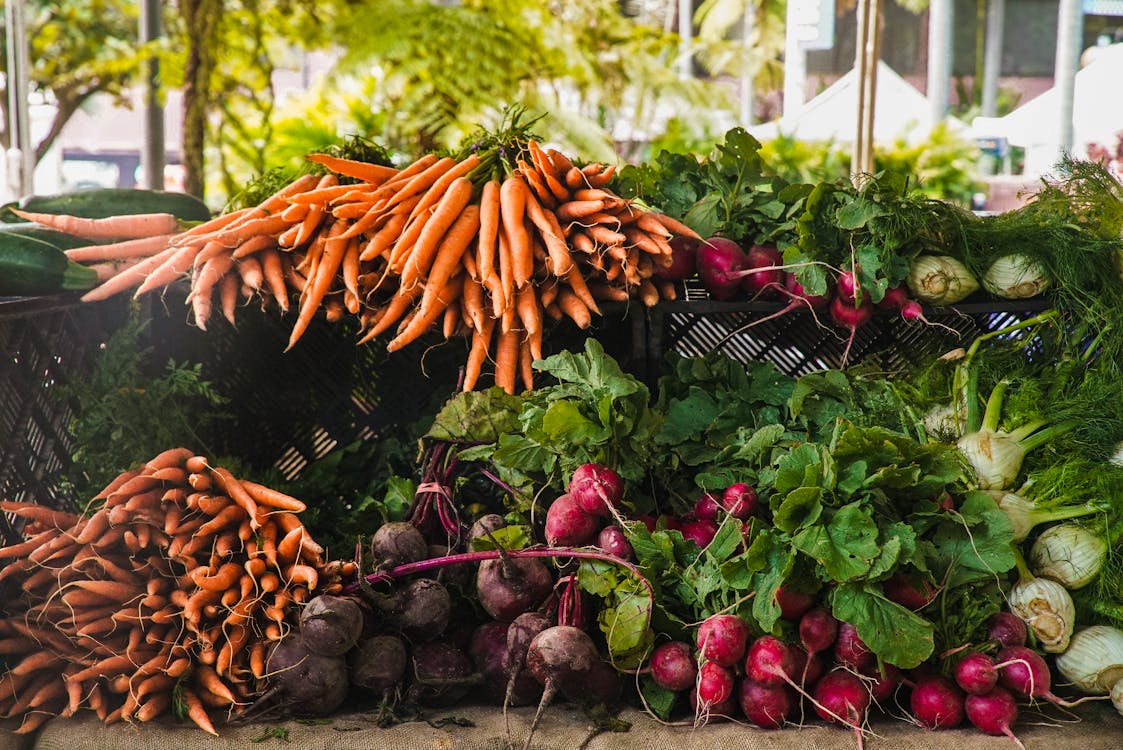
  • Root Vegetables: Direct sow carrots, beets, and radishes in early March.

Summer:

  • Vegetables: Plant beans, cucumbers, and squash in late April to early May.
  • Fruits: Plant watermelon and cantaloupe seeds in late April.
  • Vegetables: Start seeds indoors for broccoli, cauliflower, and cabbage in late summer. Transplant seedlings outdoors in late August to early September.
  • Root Vegetables: Direct sow carrots, beets, and turnips in late August.


    Ornamental Plants

    Spring:

    • Annuals: Plant pansies, snapdragons, and dianthus in early February.
    • Perennials: Divide irises, daylilies, and Shasta daisies in late January to early February.

    Summer:

    • Annuals: Plant lantana, pentas, and begonias in late April to early May.
    • Perennials: Plant roses and lavender in late April.


    Go Water Smart

    Conserving water is crucial in the DFW area. Here are some water-efficient plants for both edibles and ornamentals:

    Edibles:

    • Vegetables: Choose drought-tolerant varieties like okra, sweet potatoes, and Swiss chard.
    • Herbs: Opt for herbs like rosemary, thyme, and oregano that require less water.

    Ornamentals:

    • Perennials: Select plants like lavender, salvia, and Russian sage that thrive with minimal watering.
    • Ground Covers: Use drought-tolerant ground covers like sedum and creeping thyme.

    Tips for Water Conservation:

    • Mulching: Apply a layer of mulch around plants to retain moisture and reduce evaporation.
    • Drip Irrigation: Use drip irrigation systems to deliver water directly to plant roots, minimizing waste.
    • Rainwater Harvesting: Collect rainwater in barrels to use for watering your garden.


Popular posts from this blog

When to Start Tomato Seeds Early for a Bountiful Harvest in DFW Area

Timing is everything when it comes to growing tomatoes. Starting seeds early can give your plants a head start and lead to a more productive harvest.  When to Start Tomato Seeds: In the DFW area, the ideal time to start tomato seeds indoors is late January to early February . This timing allows the seedlings to grow strong enough to be transplanted outdoors after the last frost, which typically occurs around late March to early April. Starting seeds early ensures that your tomato plants have a long growing season to mature and produce a bountiful harvest. Steps to Start Tomato Seeds: Choose the Right Variety: Select tomato varieties that are well-suited to the DFW climate. Popular choices include 'Celebrity', 'Better Boy', and 'Cherry Tomatoes'. Prepare Seed Starting Mix: Use a high-quality seed starting mix to provide the necessary nutrients for germination. Avoid garden soil, which may contain pathogens. Plant the Seeds: Sow the tomato seeds about 1/4 inch de...

Starting Seeds for Basil and Mint in February

Basil and mint are two of the most popular and versatile herbs that can elevate any dish with their fresh flavors and aromatic scents. Basil, often referred to as the "king of herbs," is a staple in Mediterranean cuisine and is perfect for pesto, salads, and pasta. Mint, on the other hand, is a refreshing herb used in a variety of dishes, from desserts to savory meals, and is a key ingredient in beverages like mojitos and teas. Both herbs are easy to grow, making them ideal for beginner gardeners and experienced green thumbs alike.      Basil and mint are two of the most popular and versatile herbs that can elevate any dish with their fresh flavors and aromatic scents. Basil, often referred to as the "king of herbs," is a staple in Mediterranean cuisine and is perfect for pesto, salads, and pasta. Mint, on the other hand, is a refreshing herb used in a variety of dishes, from desserts to savory meals, and is a key ingredient in beverages like mojitos and teas. Both ...