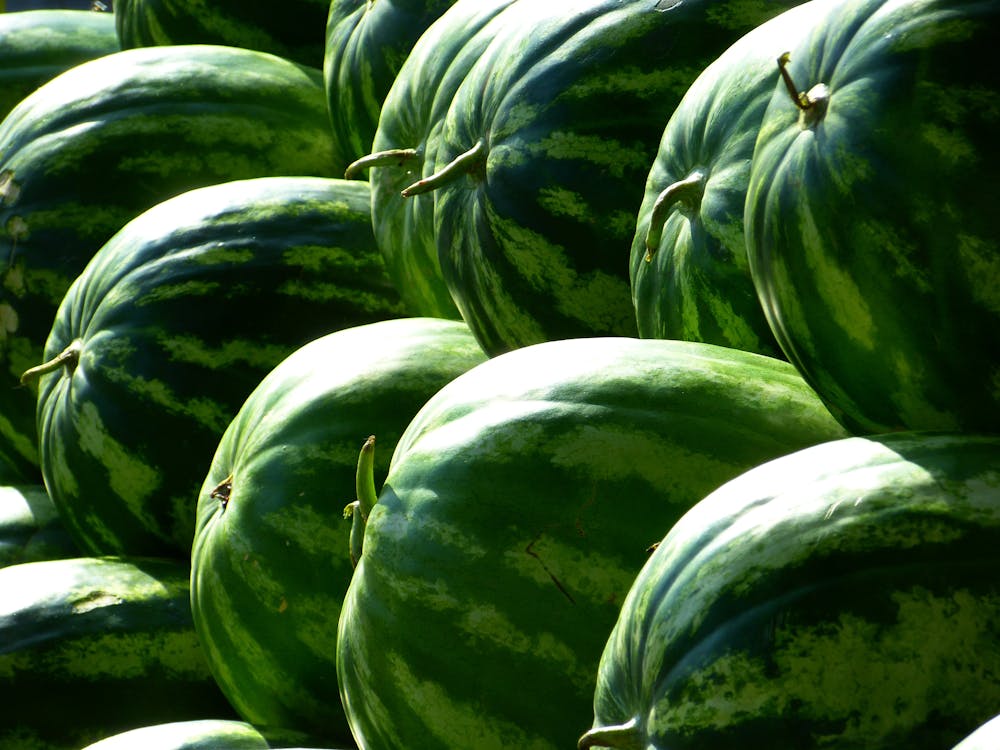
Watermelons are not only a delicious and refreshing treat during the hot summer months, but they are also packed with nutrients like vitamins A and C, and antioxidants such as lycopene. Whether you're looking to grow them for their sweet taste or to add a touch of beauty to your garden with their sprawling vines and vibrant fruits, watermelons are a rewarding crop to cultivate.
Starting Seeds Indoors: In the DFW area, starting watermelon seeds indoors in February might be a bit early. However, with the right indoor setup, you can get a head start on your garden.
Tips for Starting Seeds:
Containers: Use peat pots or seed-starting trays. Alternatively, use upcycled containers like empty yogurt containers or egg cartons with drainage holes.
Soil: A light, well-draining seed starting mix made from peat moss, vermiculite, and perlite works well. Alternatively, create your own mix using coco coir, homemade compost, and sand, with the addition of crushed eggshells for improved drainage and calcium.
Sowing Seeds: Plant seeds about 1/2 inch deep in the soil.
Light: Use grow lights for 12-16 hours a day. Alternatively, place seedlings on a sunny windowsill, ensuring it’s a bright spot that can provide sufficient light.
Moisture: Keep the soil consistently moist but not waterlogged. Use a spray bottle for gentle watering.
Temperature: Maintain a warm environment, around 75-85°F (24-29°C). A heat mat can be useful to maintain consistent warmth.
Transplanting Seedlings Outdoors: When the danger of frost has passed and the soil has warmed up, usually in late March to early April in the DFW area, it's time to transplant your seedlings outdoors.
Tips for Transplanting:
Hardening Off: Gradually acclimate the seedlings to outdoor conditions by placing them outside for a few hours each day, increasing the time daily over a week.
Location: Choose a sunny spot with well-draining soil. Watermelons need at least 6-8 hours of direct sunlight daily.
Spacing: Space the seedlings 2-3 feet apart in rows that are 6-8 feet apart to allow ample room for the vines to spread.
Support: For small varieties, consider using trellises to save space. Support the growing fruits with slings made from old t-shirts or pantyhose.
Watering and Care: Watermelons require consistent care to thrive. Here’s how to keep them healthy:
Watering: Water deeply once a week, ensuring the soil stays moist but not waterlogged. During hot weather, increase watering frequency. Water seedlings from the bottom by placing pots in a tray of water to encourage strong root growth.
Mulching: Apply mulch around the plants to retain moisture and suppress weeds. Straw, leaves, or grass clippings work well.
Best Practices and Tips:
Fertilizing: Use a balanced fertilizer when planting and switch to a low-nitrogen, high-phosphorus, and potassium fertilizer once flowers appear.
Pruning: Prune the main vine to encourage lateral growth and more fruit production.
Challenges, Pests, and Diseases:
Pests: Common pests include aphids, cucumber beetles, and squash bugs. Use insecticidal soap or neem oil to control infestations. Companion planting, such as planting marigolds around watermelons, can help repel pests.
Diseases: Watch for signs of powdery mildew and downy mildew. Ensure good air circulation and avoid overhead watering to reduce disease risk.
Weed Control: Regularly weed around your watermelon plants to prevent competition for nutrients and water.
Harvest Time: Watermelons typically take 80-100 days to mature. You can expect to harvest them from late June to early September, depending on your planting time.
By following these guidelines and tips, you can successfully grow watermelons in the DFW area. Starting seeds indoors in late February and providing the right care will help you enjoy a bountiful harvest of juicy, sweet watermelons throughout the summer. Happy gardening!