
Please see more curated items that we picked from Amazon here .

Maximizing Small Spaces: The Best Fall Container Vegetables

As the crispness of fall settles in, many gardeners are turning their attention to container gardening—a perfect solution for those with limited space. Recent commentary highlights the appeal of growing vegetables in pots during this season, particularly for urban dwellers and small-space enthusiasts. With the right choices, you can cultivate a thriving garden that not only beautifies your surroundings but also provides fresh produce for your kitchen.

Among the best options for fall container gardening, radishes stand out. These small, fast-growing vegetables thrive in cooler temperatures, and in fact, they often taste better when grown in the chill of autumn. Planting radish seeds in late August or early September can lead to a delightful harvest just in time for cozy fall meals.
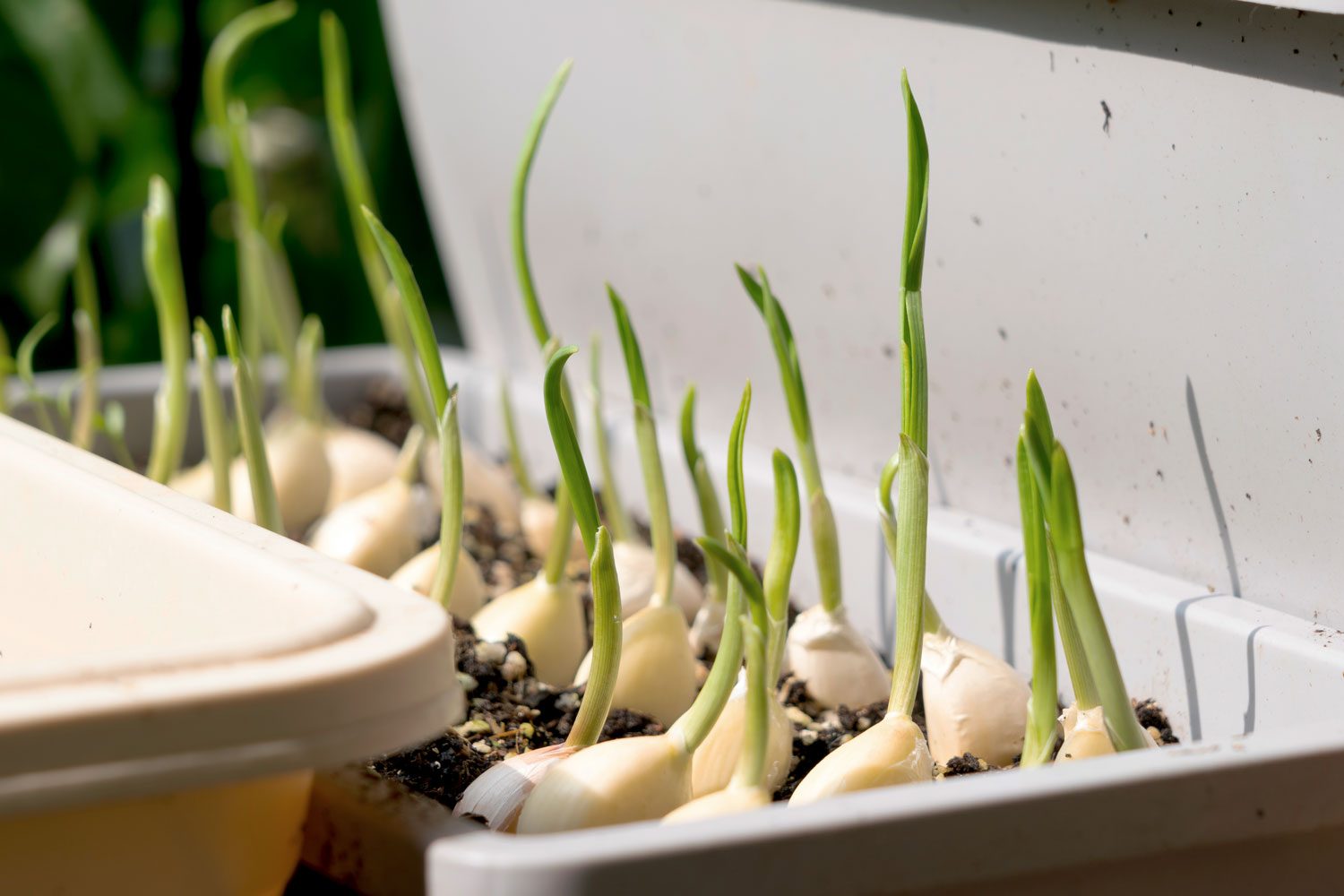
best fall crops for container gardening in small spaces

Experts argue that garlic is another stellar choice, albeit with a longer wait time. While it takes up to nine months to mature, planting garlic in the fall allows you to reap the rewards by next year. Growing garlic in containers is not only feasible but can also be immensely satisfying as you watch those bulbs develop.

Other vegetables to consider for your container garden include kale and spinach, both of which are hardy and can withstand the cooler fall weather. These leafy greens are not only easy to grow but also provide a nutritious addition to your diet. Their growth can be accelerated with proper care, ensuring you have a fresh supply throughout the season.

When planning your container garden, it's essential to consider the size of your pots, the type of soil you use, and the sunlight your plants will receive. Choosing high-quality potting mix and ensuring adequate drainage can make all the difference in the success of your fall garden.

In conclusion, container gardening in small spaces during the fall offers an exciting opportunity to grow a variety of vegetables. Whether you're a seasoned gardener or a curious beginner, embracing this method can lead to rewarding experiences and delicious homegrown produce.

  • Opt for fast-growing vegetables like radishes for quick results.
  • Consider garlic for a rewarding long-term project; plant it in fall for a summer harvest.
  • Utilize high-quality potting soil and ensure proper drainage for healthy growth.

Source

Popular posts from this blog

When to Start Tomato Seeds Early for a Bountiful Harvest in DFW Area

Timing is everything when it comes to growing tomatoes. Starting seeds early can give your plants a head start and lead to a more productive harvest.  When to Start Tomato Seeds: In the DFW area, the ideal time to start tomato seeds indoors is late January to early February . This timing allows the seedlings to grow strong enough to be transplanted outdoors after the last frost, which typically occurs around late March to early April. Starting seeds early ensures that your tomato plants have a long growing season to mature and produce a bountiful harvest. Steps to Start Tomato Seeds: Choose the Right Variety: Select tomato varieties that are well-suited to the DFW climate. Popular choices include 'Celebrity', 'Better Boy', and 'Cherry Tomatoes'. Prepare Seed Starting Mix: Use a high-quality seed starting mix to provide the necessary nutrients for germination. Avoid garden soil, which may contain pathogens. Plant the Seeds: Sow the tomato seeds about 1/4 inch de...

Spring is Around the Corner: What and When to Plant in the DFW Area

When it comes to gardening in the Dallas-Fort Worth (DFW) area, timing is everything. The region's hot summers and mild winters offer a unique growing season. Here's a guide to help you get started: Edibles Spring: Vegetables: Start seeds indoors for tomatoes, peppers, and eggplants in January. Transplant seedlings outdoors after the last frost in late February to early March. Herbs: Plant basil, parsley, and cilantro seeds indoors in February, and transplant them outdoors in March. Root Vegetables: Direct sow carrots, beets, and radishes in early March. Summer: Vegetables: Plant beans, cucumbers, and squash in late April to early May. Fruits: Plant watermelon and cantaloupe seeds in late April. Vegetables: Start seeds indoors for broccoli, cauliflower, and cabbage in late summer. Transplant seedlings outdoors in late August to early September. Root Vegetables: Direct sow carrots, beets, and turnips in late August. Ornamental Plants Spring: ...

Starting Seeds for Basil and Mint in February

Basil and mint are two of the most popular and versatile herbs that can elevate any dish with their fresh flavors and aromatic scents. Basil, often referred to as the "king of herbs," is a staple in Mediterranean cuisine and is perfect for pesto, salads, and pasta. Mint, on the other hand, is a refreshing herb used in a variety of dishes, from desserts to savory meals, and is a key ingredient in beverages like mojitos and teas. Both herbs are easy to grow, making them ideal for beginner gardeners and experienced green thumbs alike.      Basil and mint are two of the most popular and versatile herbs that can elevate any dish with their fresh flavors and aromatic scents. Basil, often referred to as the "king of herbs," is a staple in Mediterranean cuisine and is perfect for pesto, salads, and pasta. Mint, on the other hand, is a refreshing herb used in a variety of dishes, from desserts to savory meals, and is a key ingredient in beverages like mojitos and teas. Both ...