
As the days grow shorter and the temperature begins to drop, it's time to think about how to prepare your garden for winter. According to recent commentary from gardening experts, a little proactive care can ensure your plants thrive when the warmth of spring returns. Here are ten essential tips to help you navigate this seasonal transition.

Start by trimming any plants that have crept over paths or sidewalks. This not only makes snow shoveling easier but also maintains a tidy appearance. It's important to remember that you don't have to completely clear every leaf or stem; a layer of decaying leaves can actually benefit the soil by enriching it as microorganisms break them down.
October is the prime time to plant spring-blooming bulbs like daffodils, tulips, and crocuses. When planting, choose a sunny spot and dig holes that are at least twice as deep as the bulbs are wide. Interestingly, experts argue that adding fertilizer at this stage is unnecessary; simply ensure the bulbs are watered and covered with mulch.
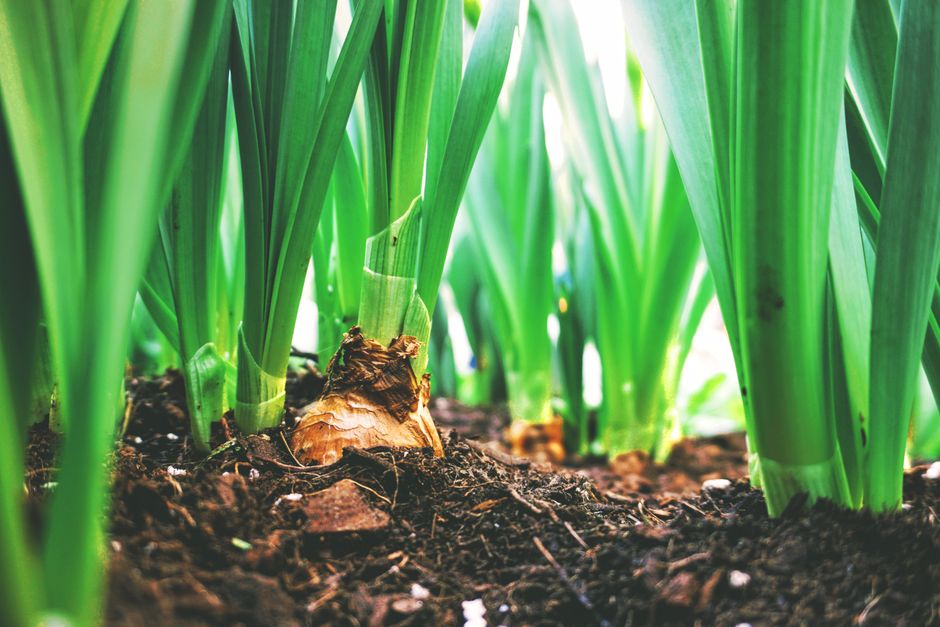
Additionally, consider leaving some perennials standing, as they can provide shelter for beneficial insects during the cold months. This approach not only supports biodiversity but also creates a more natural look in your winter garden.
Remember, winter gardening is not just about survival; it’s an opportunity to reflect on the past season and plan for the next. Taking the time to prepare now will yield benefits when the gardening season returns. Happy gardening!
- Trim back overgrown plants to make winter maintenance easier.
- Plant spring bulbs in sunny spots without adding fertilizer.
- Leave some perennials standing for insect habitat and natural aesthetics.